Cross the Nile with us into a world dedicated entirely to the afterlife. This is Luxor’s West Bank as it is meant to be seen: a comprehensive, unhurried exploration of its most sacred and powerful sites. While most tours combine both banks, this exclusive journey is dedicated solely to the Theban Necropolis, allowing you to venture beyond the highlights and uncover the full, magnificent story of Pharaonic belief. From the grand tombs of the kings to the intimate resting places of their queens, from the last great mortuary temple of the New Kingdom to the lonely sentinels guarding the plains, you will spend a full day immersed in the art, architecture, and legends of the world’s most elaborate sacred landscape, all brought to life by your personal Egyptologist.
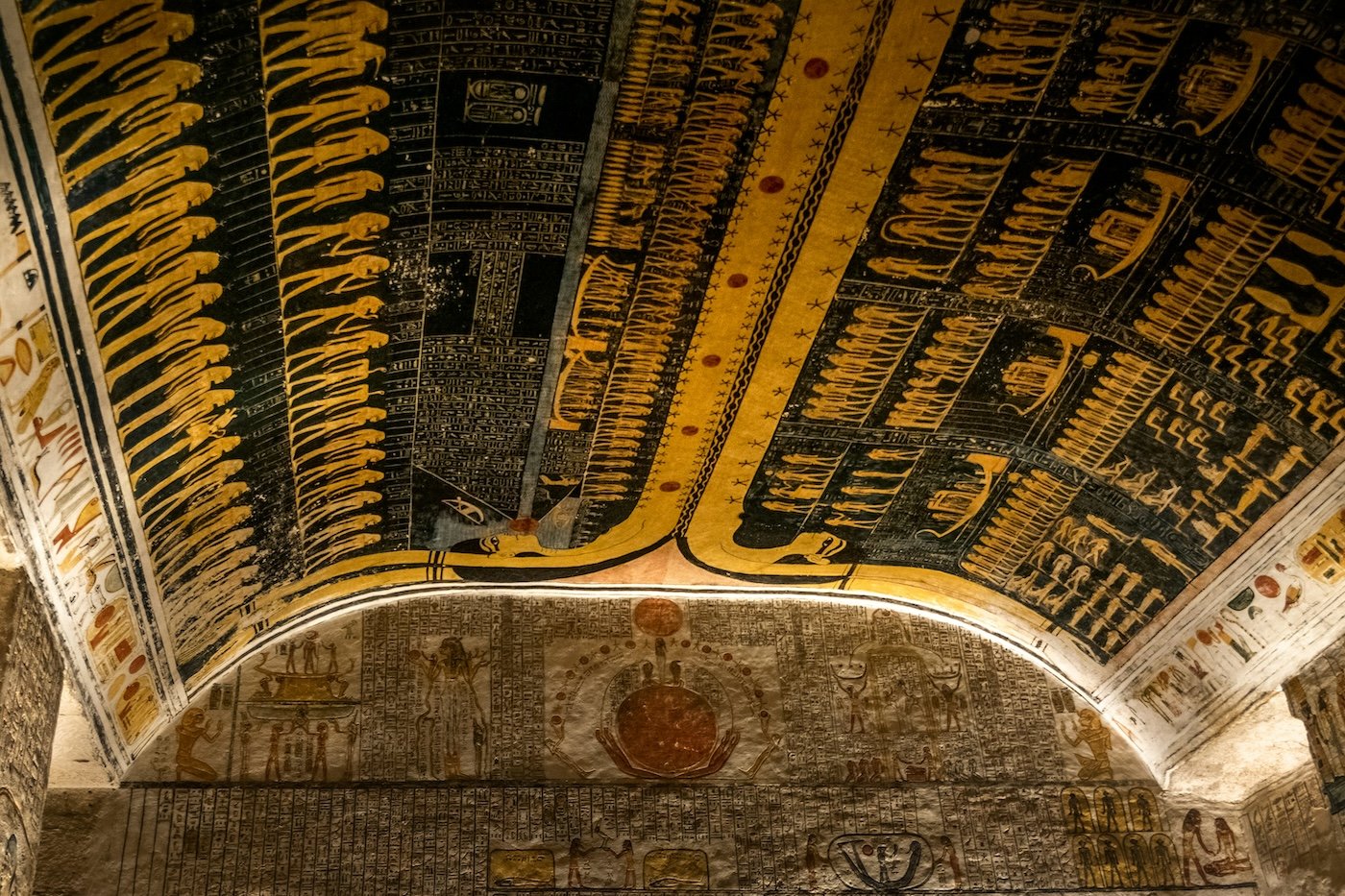
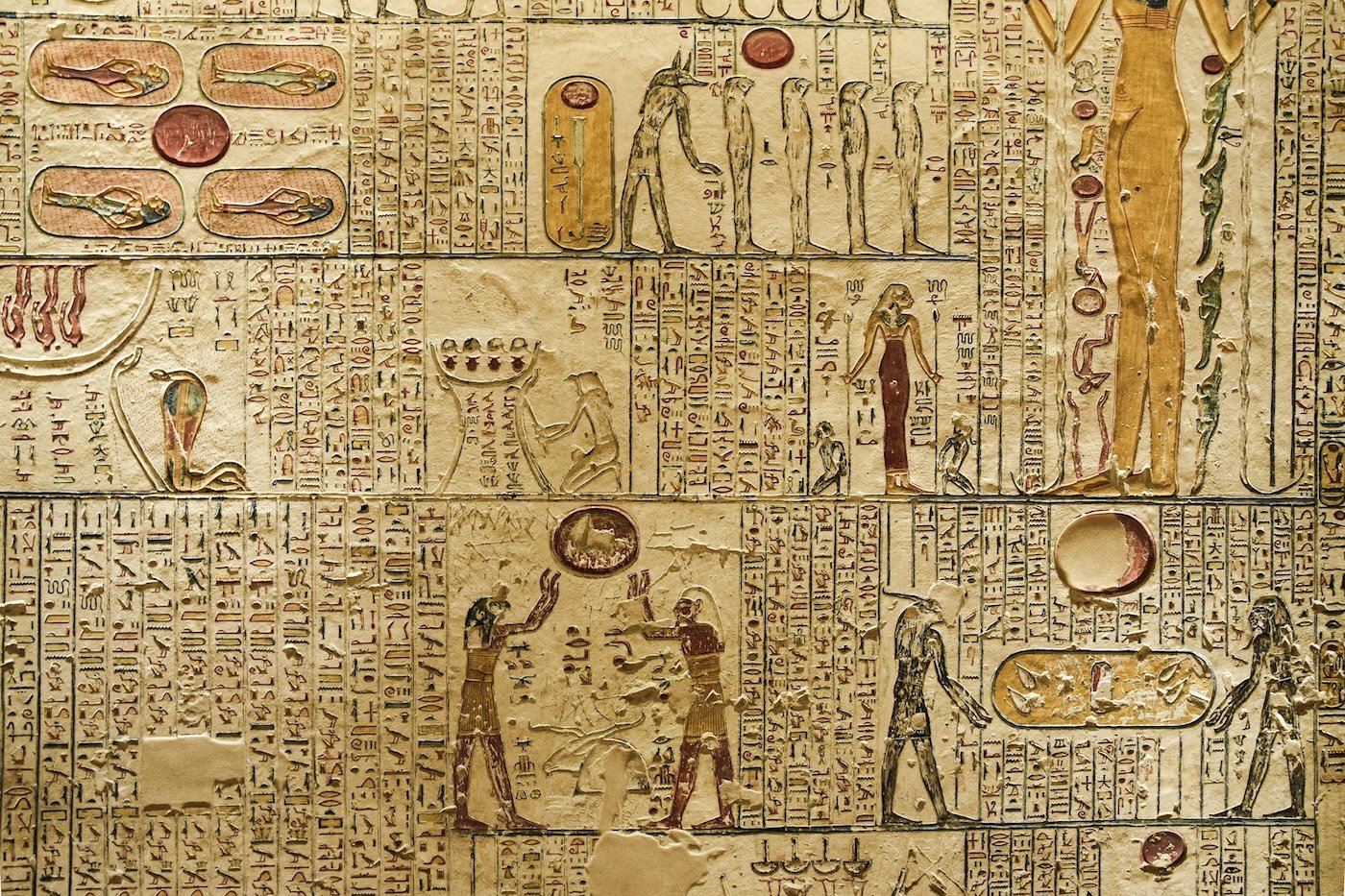
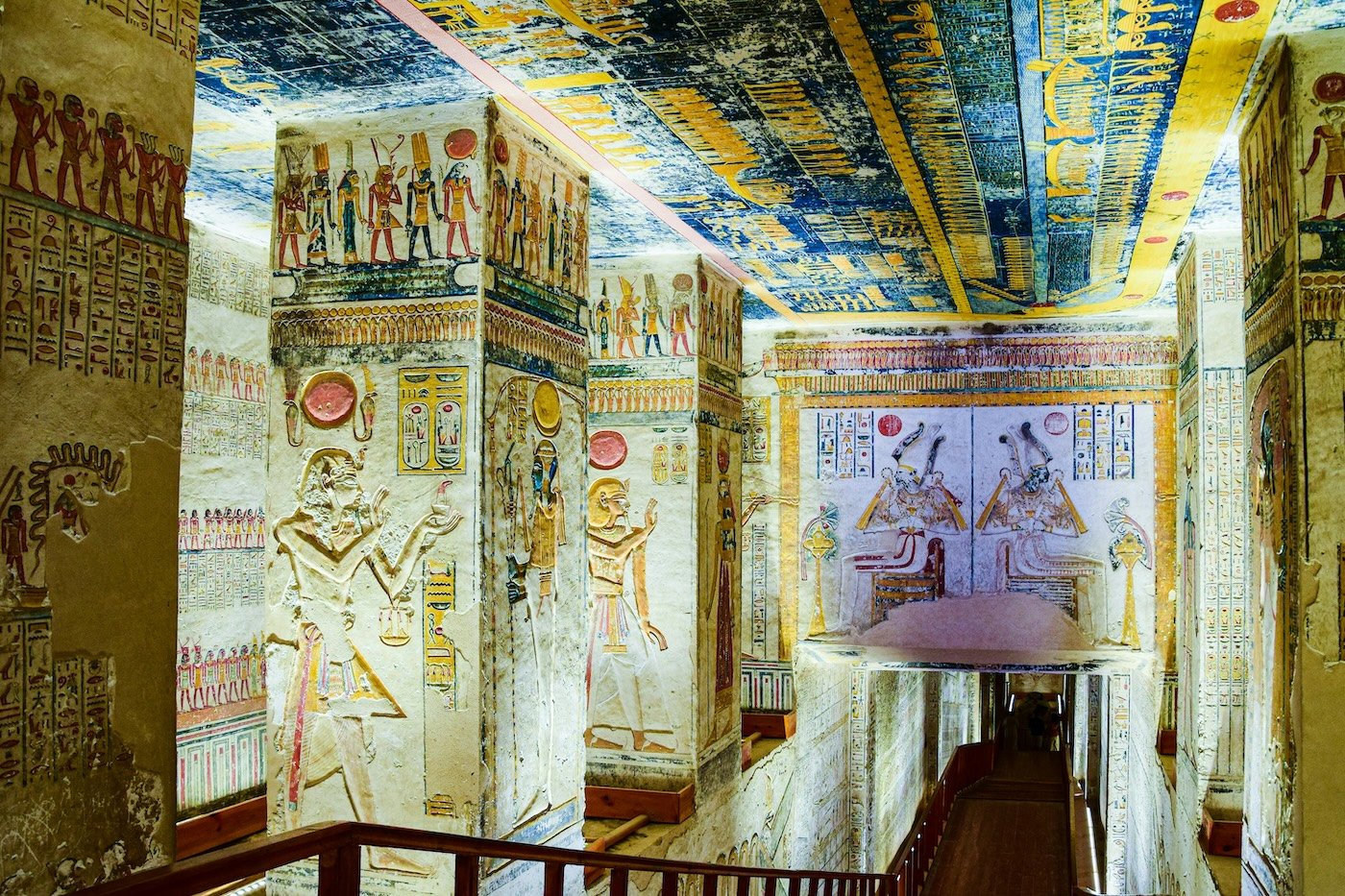
We begin our day at the dawn of eternity, arriving at the Valley of the Kings in the cool, quiet morning hours. This desolate, sun-scorched canyon was the chosen site for the New Kingdom’s pharaohs to embark on their journey through the underworld. You will leave the world of the living behind as you descend into the cool, silent earth, entering tombs that explode with vibrant color and complex religious texts. The walls serve as an illustrated map to the afterlife, a magical guide meant to ensure the king’s rebirth.
Your expert guide will help you select the most impressive tombs open on the day of your visit, ensuring a diverse and fascinating experience. They will act as your interpreter, decoding the celestial scenes and translating the divine spells that cover every surface. Here, in the resting places of legends like Ramesses the Great, you are not just a visitor; you are a witness to a 3,000-year-old conversation between a king and his gods, an experience that is both humbling and unforgettable.
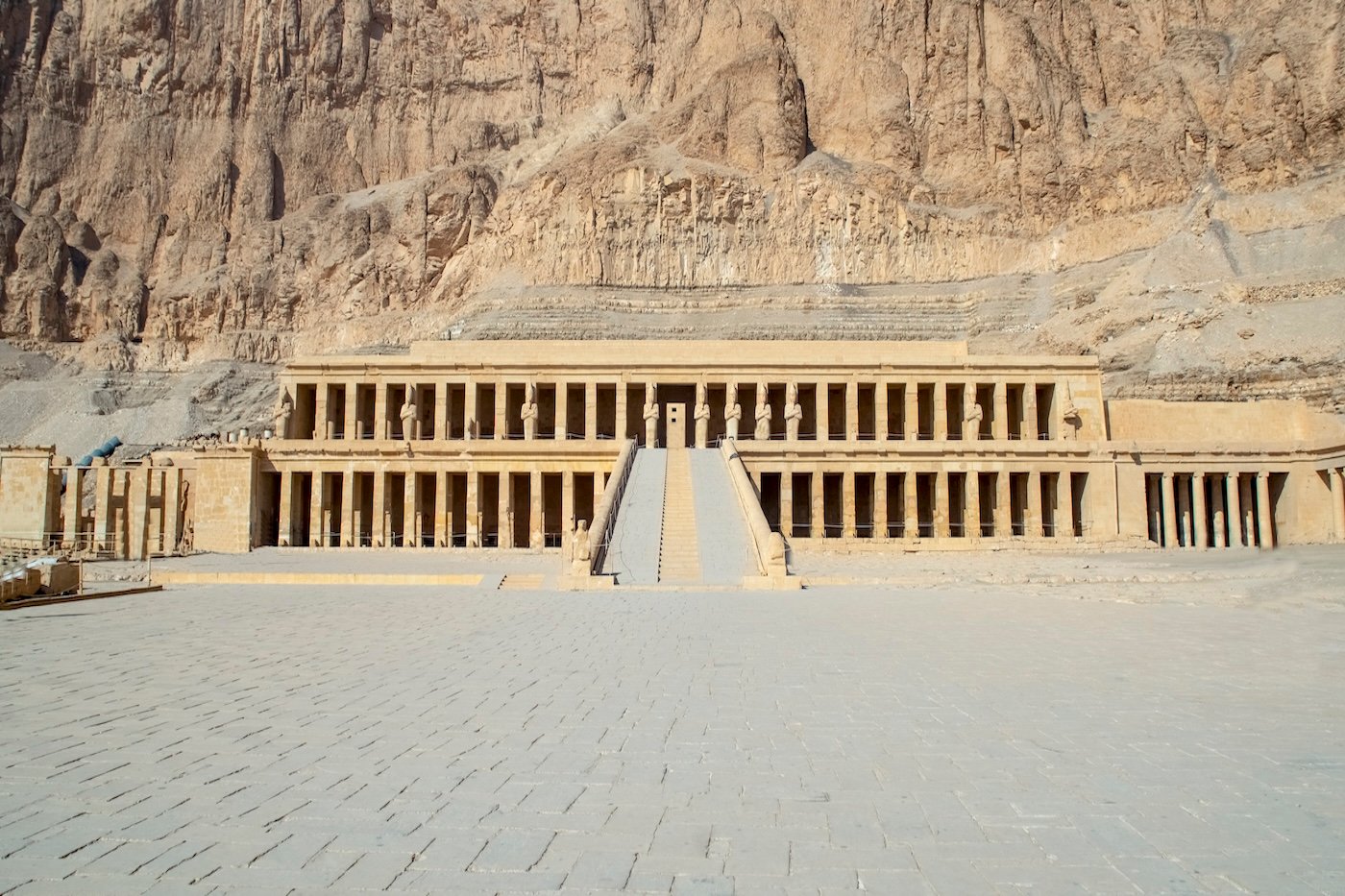
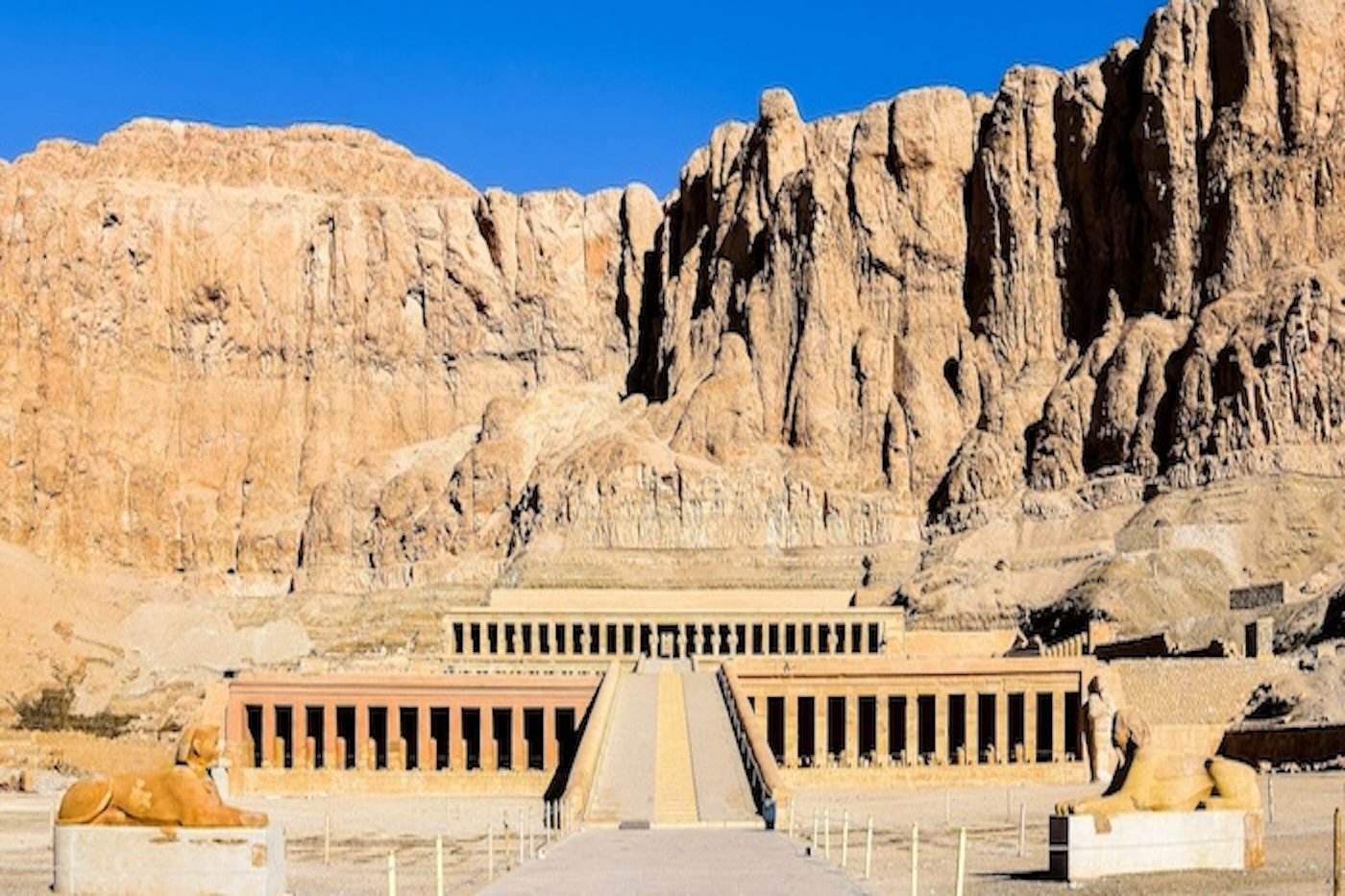
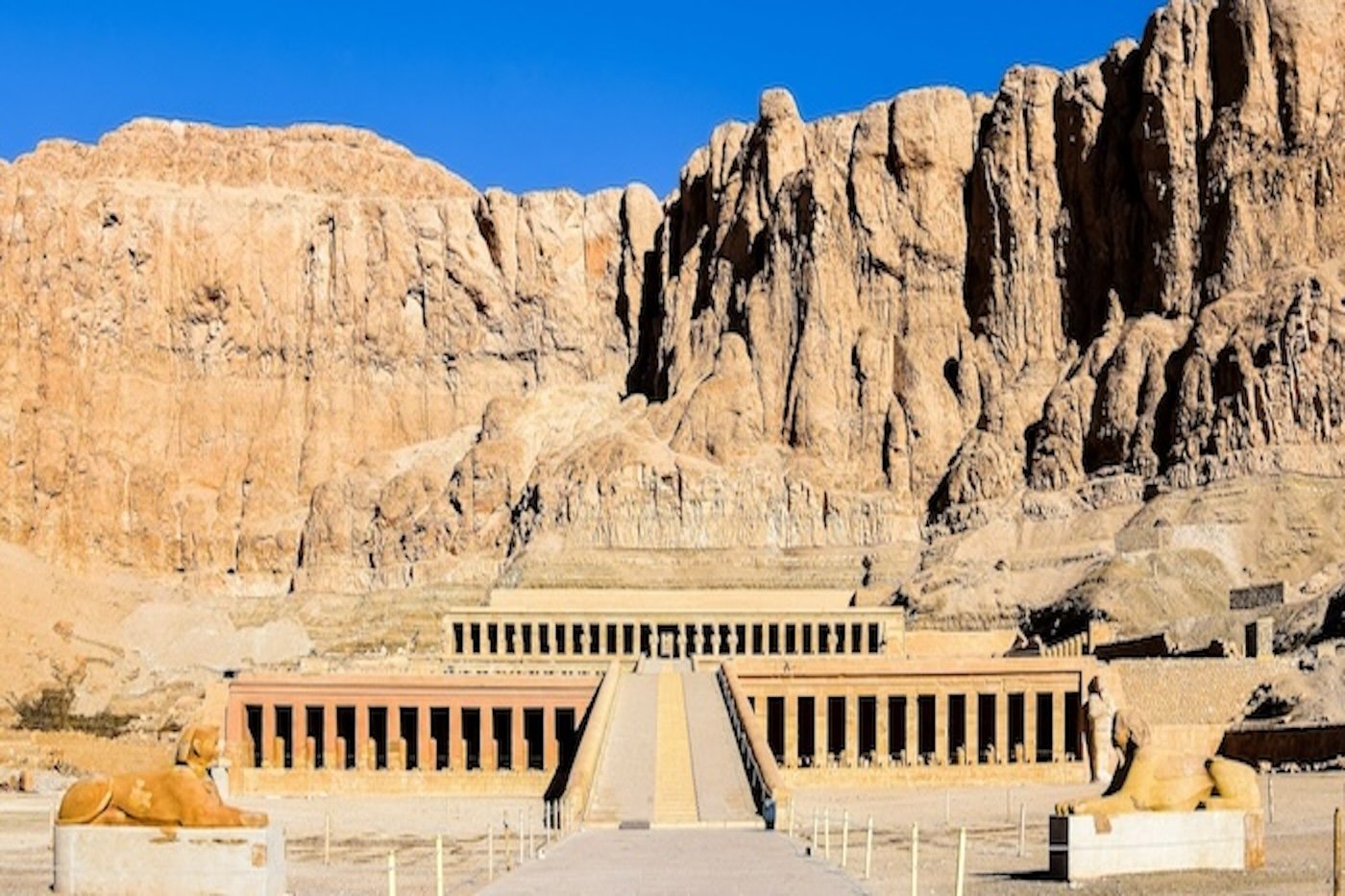
Emerging from the valley, we journey to a monument that celebrates a legacy of earthly power and architectural brilliance. The Mortuary Temple of Queen Hatshepsut at Deir el-Bahari is a masterpiece of harmony, its three gleaming terraces rising from the desert floor in perfect alignment with the sheer cliffs behind it. This temple is a bold statement from one of history’s most powerful female rulers, a woman who defied tradition to rule as a king and immortalized her reign in stone.
As you ascend the temple’s great ramps and walk its elegant colonnades, your guide will reveal the stories carved into its walls. You will see the famous reliefs detailing her divine conception and her celebrated expedition to the faraway Land of Punt, both clever works of propaganda to cement her authority. The temple’s bright, open design is a stunning contrast to the hidden tombs, showcasing the magnificent public face of a pharaoh whose ambition reshaped the very landscape.
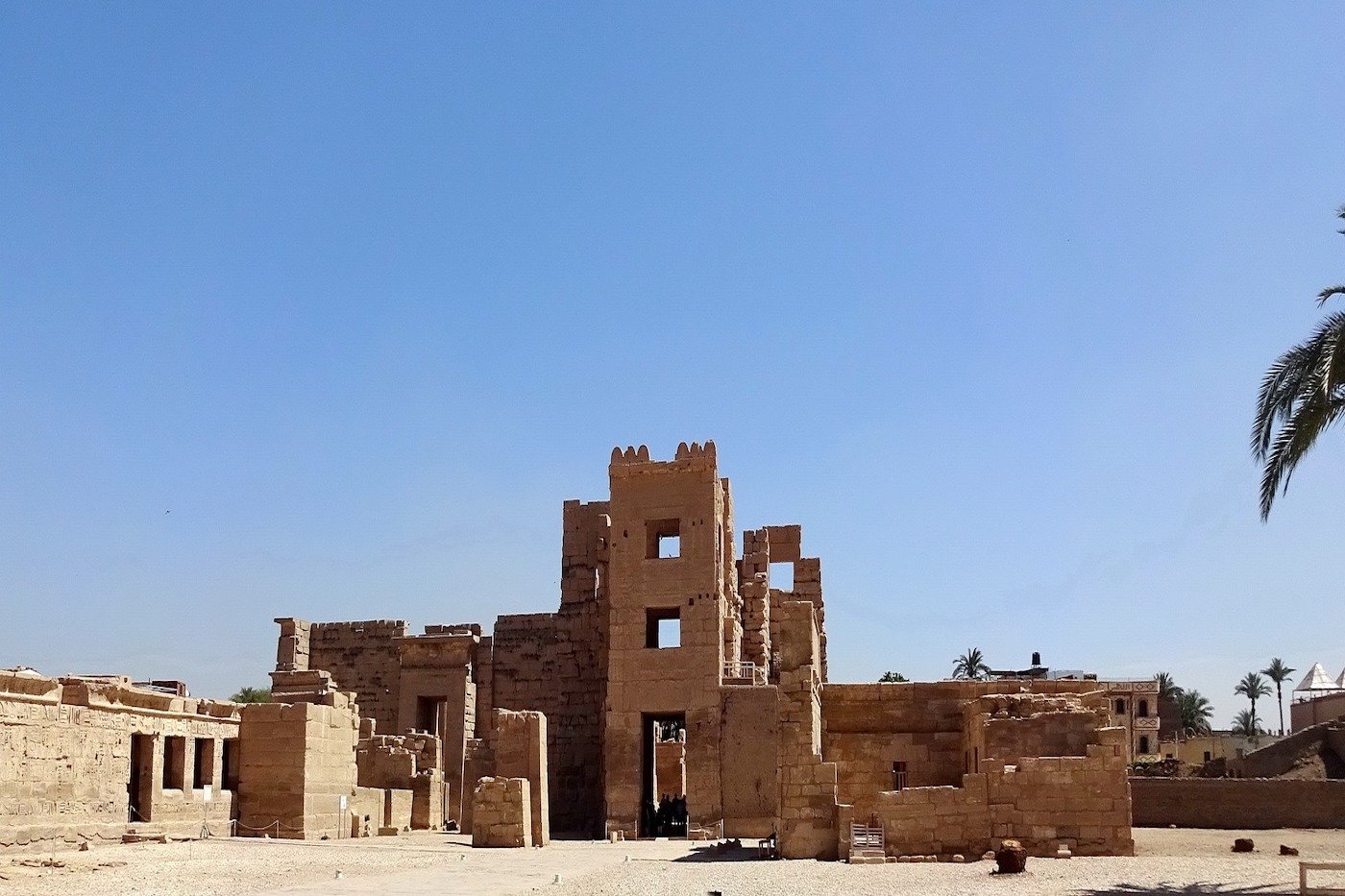
Next, we journey to the last great monumental temple of the New Kingdom, the formidable Medinet Habu. This is the Mortuary Temple of Ramesses III, and it is as much a fortress as it is a place of worship. Surrounded by a massive mudbrick enclosure wall, this complex served as a bastion of Pharaonic power during a time of great uncertainty. Its towering pylons and courts are covered in some of the most dramatic and well-preserved battle reliefs in all of Egypt.
Here, your guide will bring history to life, narrating the epic story of Ramesses III’s brutal wars against the invading “Sea Peoples,” a conflict that saved Egypt but marked the beginning of the end of its golden age. You will trace the chaotic battle scenes carved deep into the stone, a testament to the pharaoh’s role as the divine protector of Egypt. Medinet Habu is a raw and powerful chronicle of war and propaganda, a crucial piece of the West Bank’s story.
Leaving the world of kings and warriors, we enter a place of beauty, love, and intimacy The Valley of the Queens. This was the chosen resting place for the beloved wives and royal children of the pharaohs. While smaller in scale than the Valley of the Kings, the tombs here are often considered more beautiful, filled with intimate and touching scenes of family and devotion. They are jewel-boxes of exquisite artistry, offering a softer, more personal glimpse into the royal court.
The atmosphere here is tranquil and profoundly moving. The decorations feel less like state propaganda and more like personal expressions of love, meant to ensure the eternal well-being of the queen in the afterlife. Your guide will explain the unique role these powerful women played in both religion and politics. A visit here provides a beautiful and necessary counterpart to the tombs of the kings, completing the picture of the royal family’s journey to eternity.